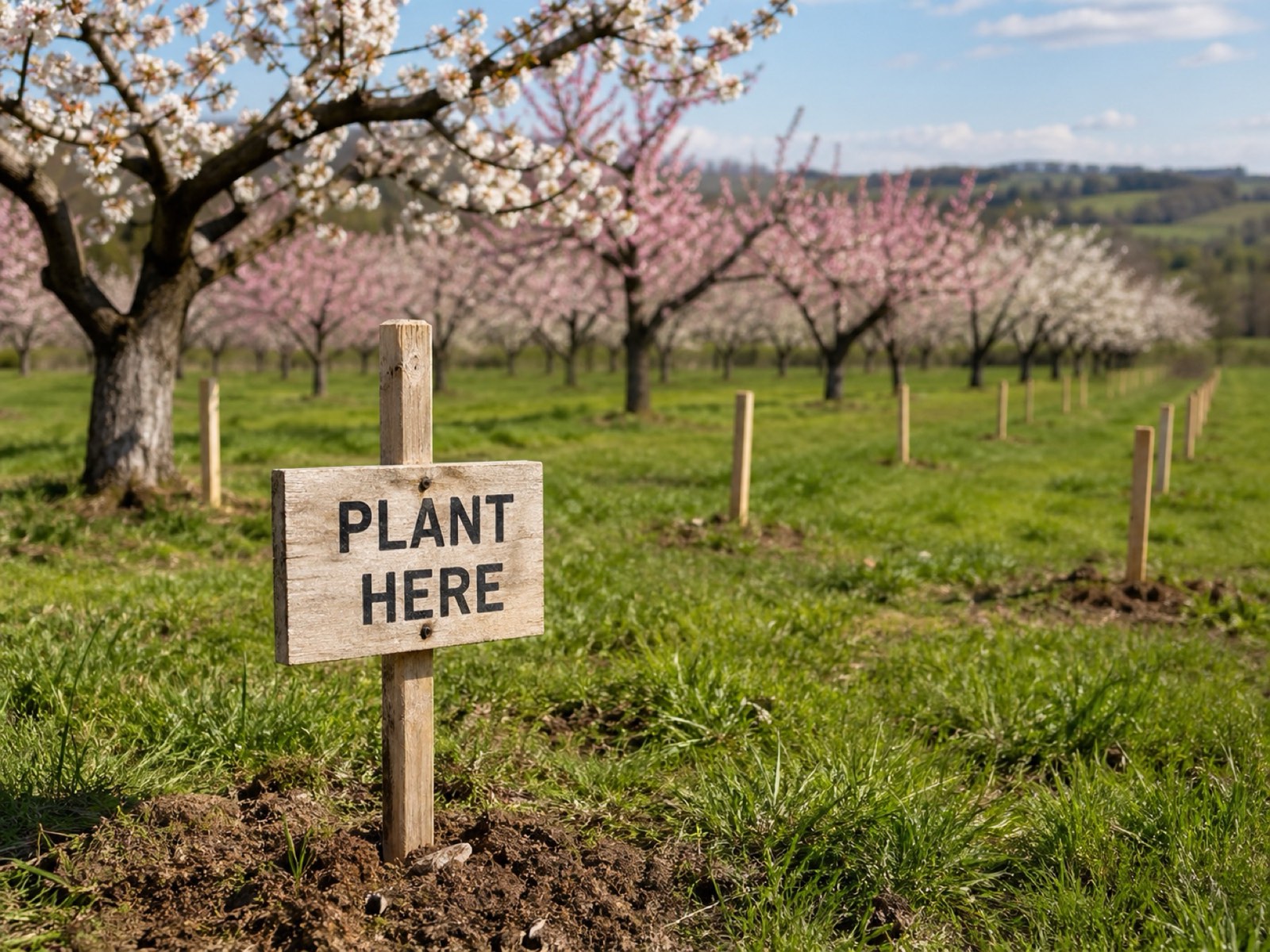
Free blossom trees, planted for you, by your community.
If you have land - a churchyard, a school field, a farm hedgerow, a community-facing garden - you can host an Easter Trees planting. Local families bring the trees. They do the planting. You set every rule and keep what grows.
- Free trees. Families buy the trees from local garden centres and bring them on planting day.
- You stay in control. Pick the vision, the species, the access rules, the day. Nobody turns up unannounced.
- It grows over years. Three trees year one, more next year, a landmark in a decade.
You choose the species for your site. Because your land is doing real ecological work, we'll nudge you toward native, local-provenance trees first - wild cherry, blackthorn, hawthorn, crab apple, bird cherry and rowan all blossom beautifully - with ornamentals as a considered choice for formal or hard-landscaped spots. Larger partners like the Woodland Trust and National Trust will have their own native palettes, and we happily defer to those.
A vicar with a churchyard. A farmer with a hedgerow gap. A head with a school field. A councillor, a housing manager, a hotel landscape lead - there's a vision designed for each of you.
Open my land for blossom ↓ Walks you through 5 quick steps to add your spot to the public map.
A blossom season for Britain - spring, year ten

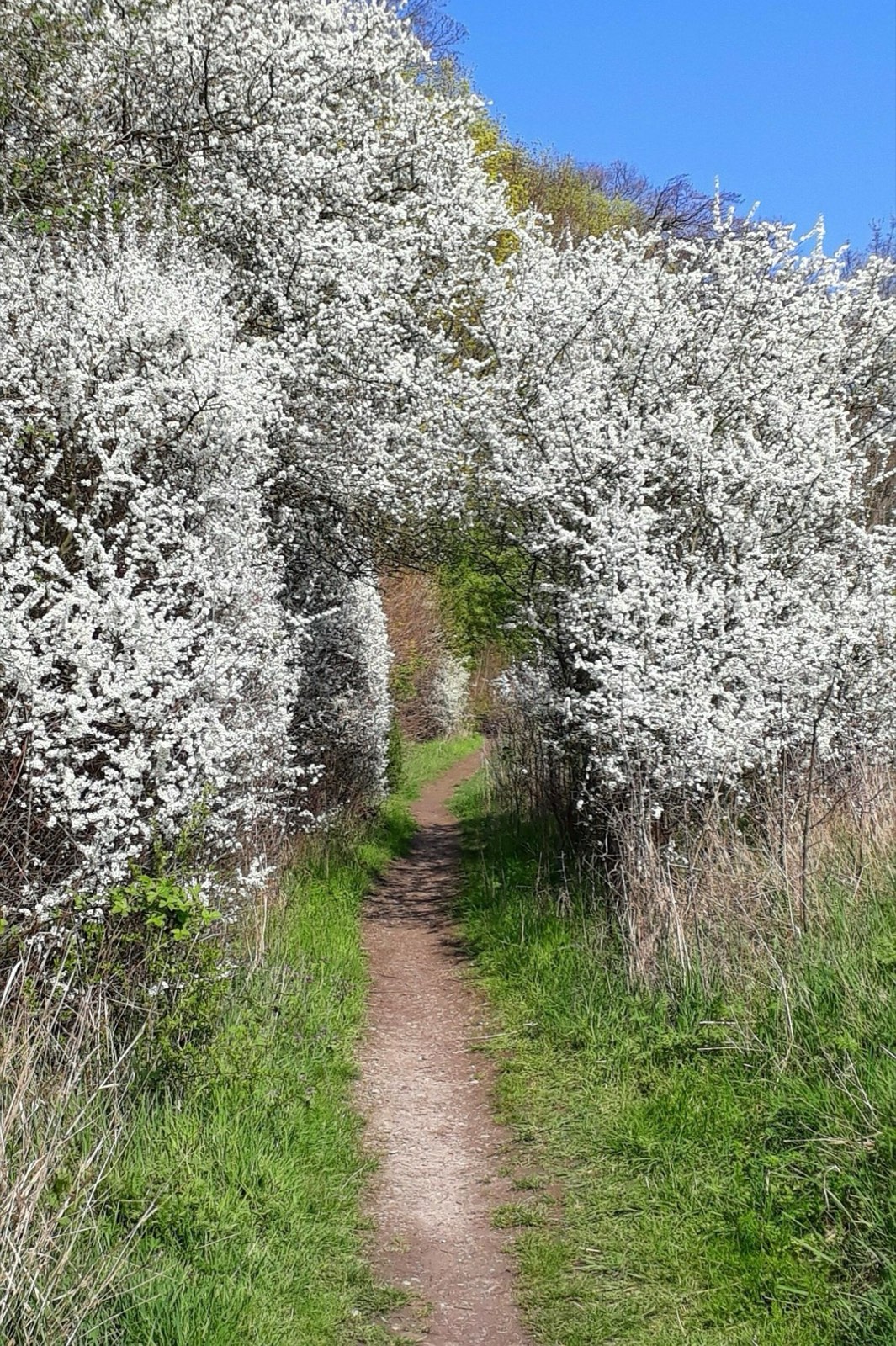
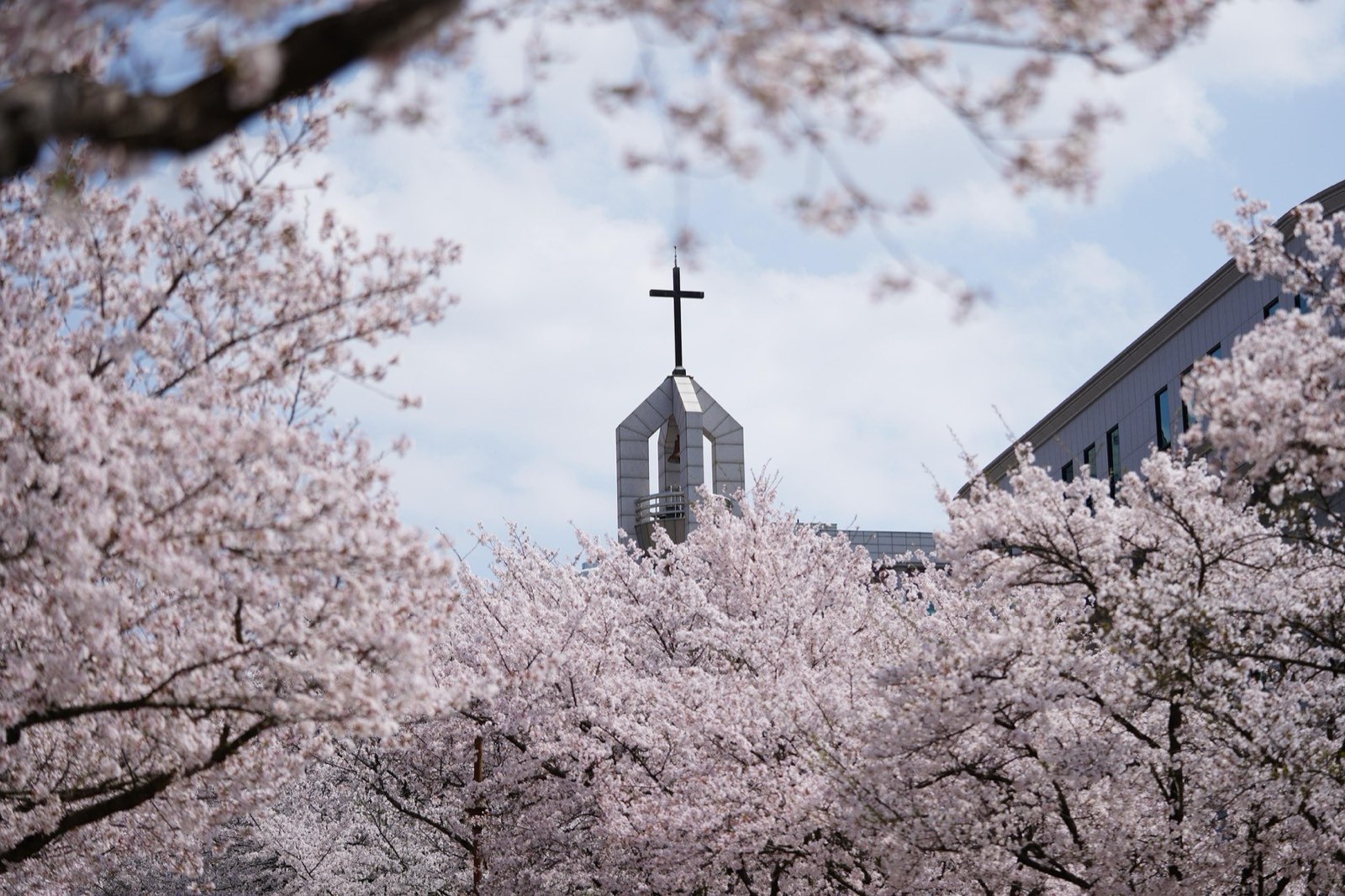
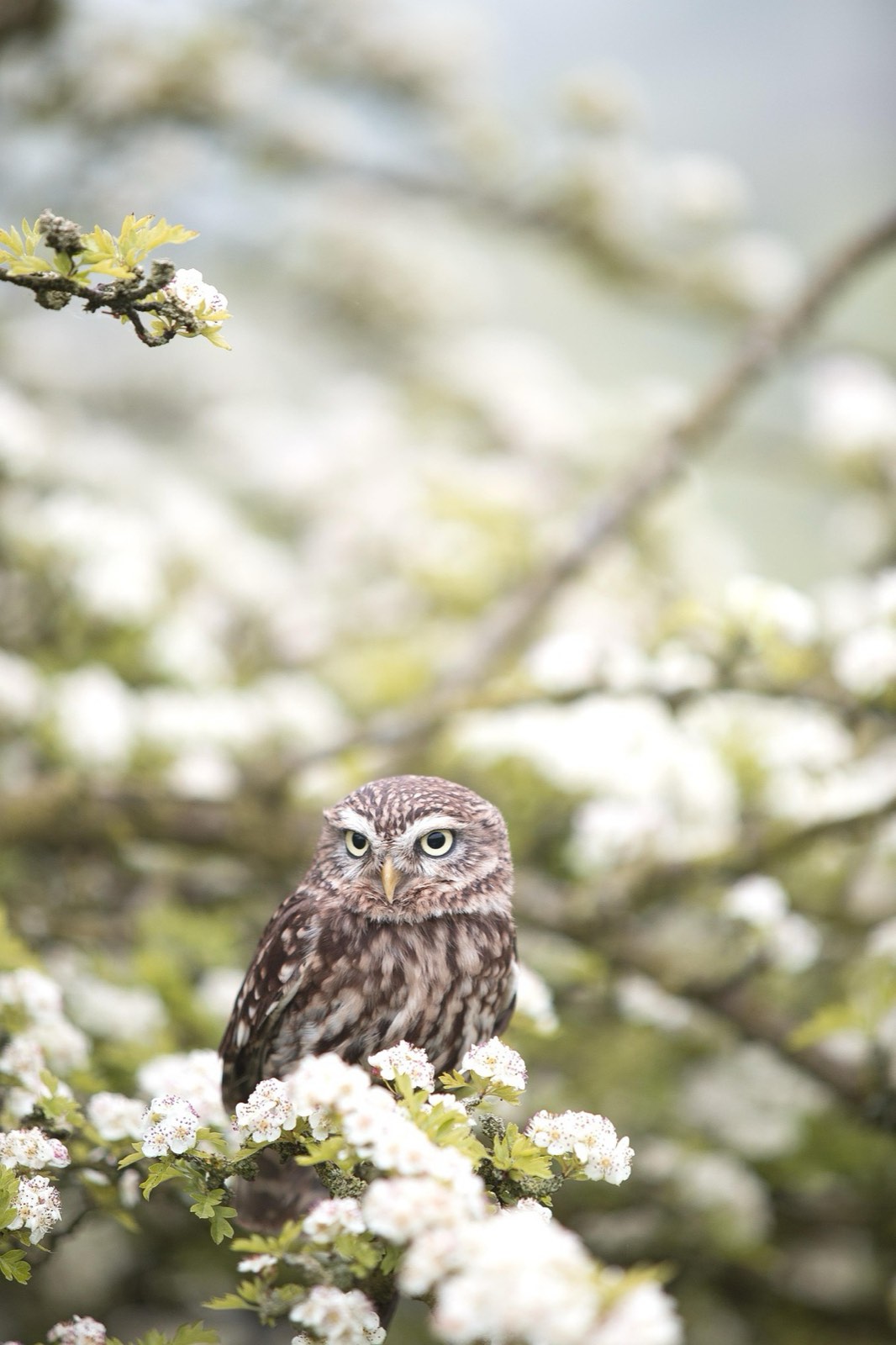
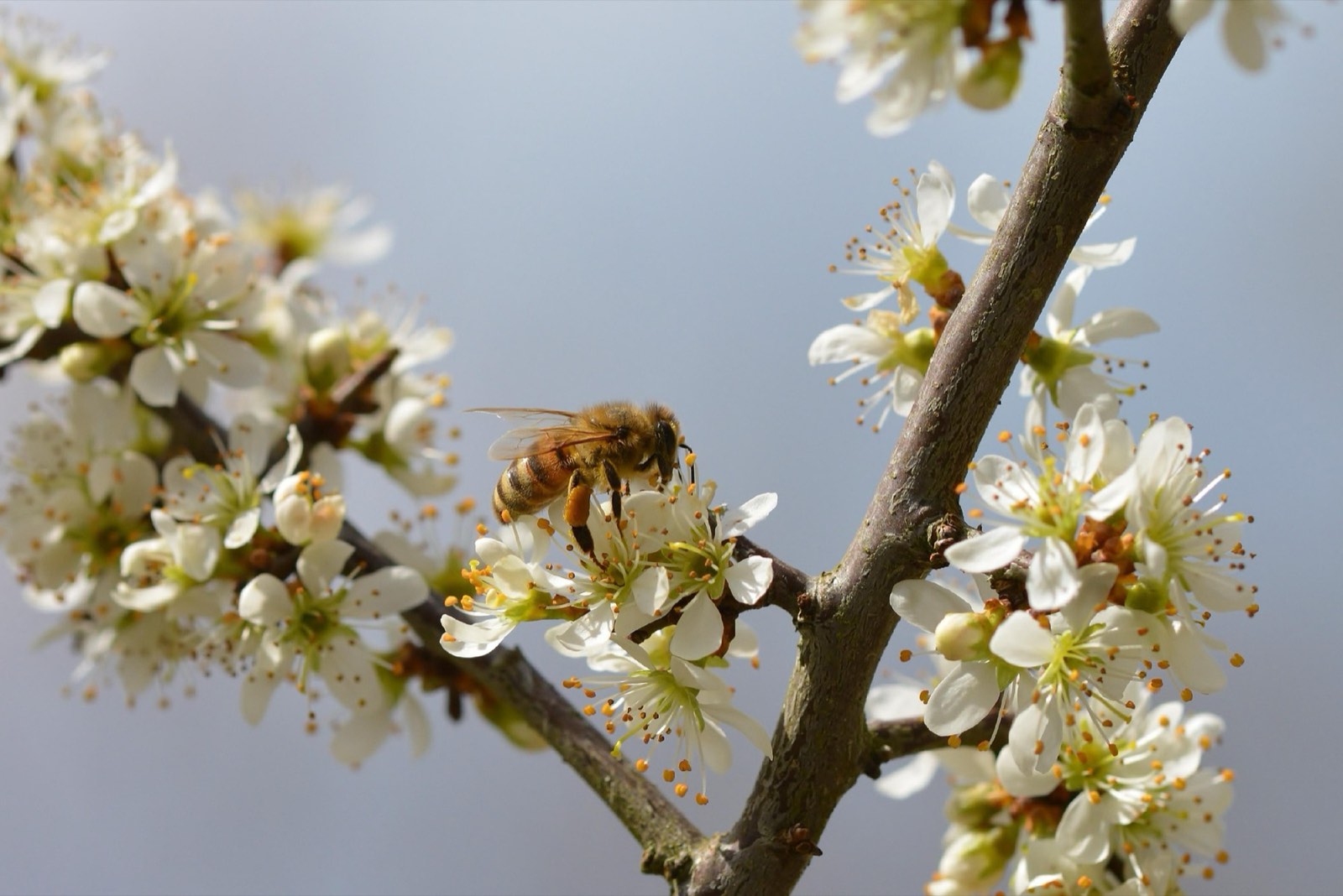


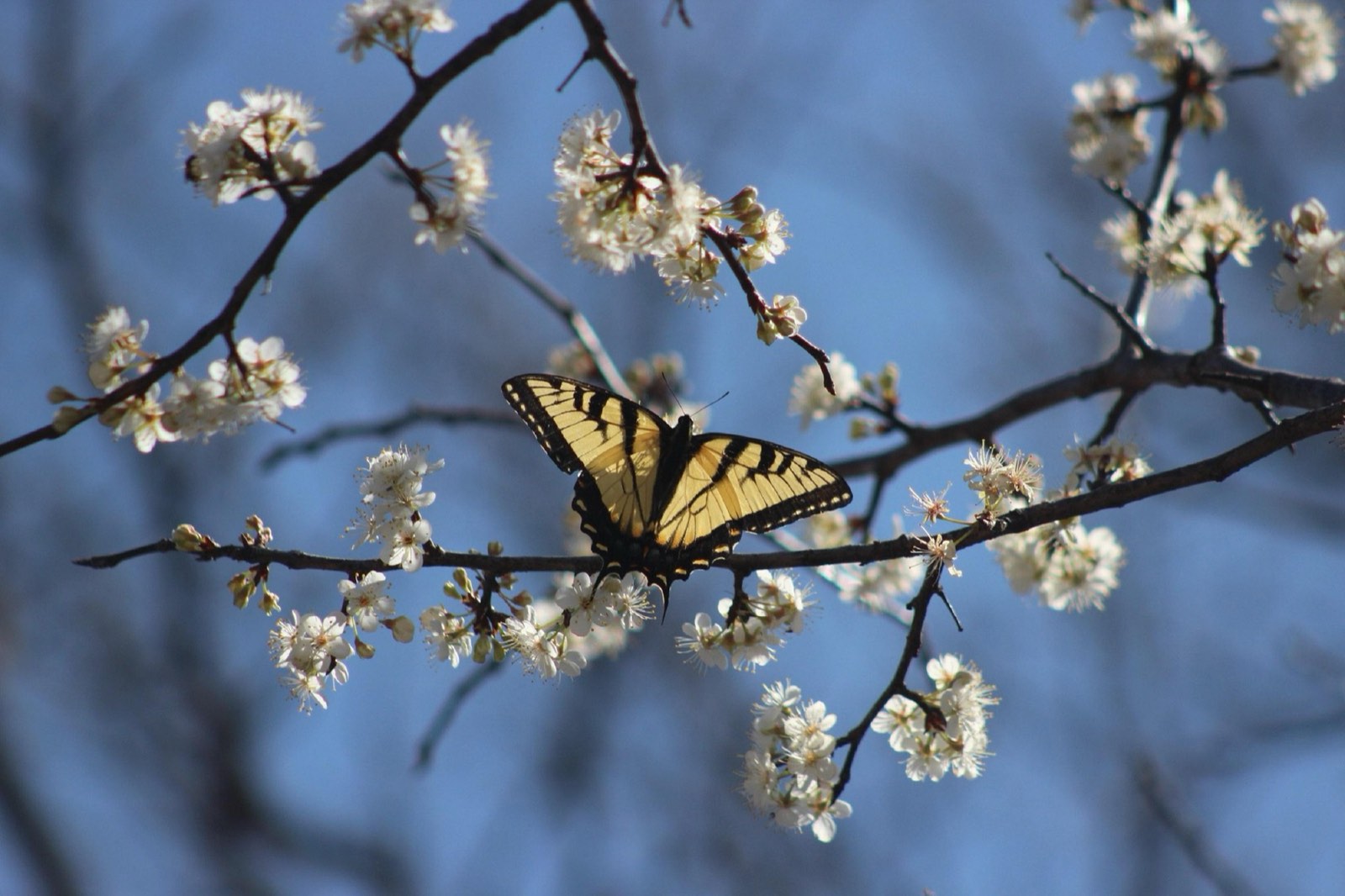
petals on stone · a path becomes a destination · eight trees, ten years · hanami in Britain
Professor David Hill CBE, Founder and President, Foundation For Nature“The Easter Trees planting guidance covers the bases well. It gives people the correct pointers and the information they need so as not to impact on sites of nature conservation importance, and rightly recommends trees of local provenance that you would expect to find in the ecosystem, in preference to non-natives.”
Our planting guidance was reviewed by Professor Hill before we published it. You still choose the species and the spot for your own land - the guidance is there to help, never to dictate. Read the guide for bigger projects →
Set out your vision in 5 easy steps.
Tell us who you are. Pick a vision (or sketch your own). Tell us how many trees, in what size mix. Choose your tree palette. Add your practical details. Done. We’ll review your spot and add it to the map within 48 hours.
- 1 Who are you?
- 2 Pick your vision
- 3 Tree amounts
- 4 Choose your trees
- 5 Practical details
Step 1 · Who are you?
Pick the closest match. We'll show you visions designed for the kind of land you're looking after. Tap a card to continue.
Step 2 · Pick your vision
Each vision is a picture of what your land could become - over years, not weeks. Start small and grow into it. Tap a vision to continue.
Step 3 · How many trees, what size?
A planting works best with a mix of larger and smaller trees. Larger trees grow over 5m and become the canopy - mature wild cherries, ornamental cherries, crab apples. Smaller trees stay under 5m and fit pots, edges, or tight corners - patio cherries, blackthorn, dwarf magnolias. Tell us roughly what you can fit. We’ll filter the species list in the next step accordingly.
- Small back garden (≈50 m²) - 1–2 trees
- 10m × 10m patch (100 m²) - around 4 trees
- Tennis-court-sized space (≈260 m²) - around 10 trees
- Churchyard or school field (≈1,000 m²) - 30–40 trees
- An acre (≈4,000 m²) - up to around 150 trees
Estimate is fine. You can adjust at any time.
Step 4 · Choose your tree palette
These are the species that fit your size mix and vision. They’re all selected to start. Tap to toggle. The more options you allow, the easier it is for families to find a tree. Your palette appears publicly on the map - so families bringing trees know exactly which species are welcome at your site, and so local garden centres can stock against your demand.
New to planting, or planting somewhere bigger? Our Planting Guide covers the basics, and the guide for bigger projects goes deeper for churchyards, schools, farms and estates.
Selected: 0 species · Colours: -
No species match those filters. Try widening one.
Step 5 · Practical details
A few last details so families can find your spot - and so you stay in control of who, when, and where.
Easter Trees doesn’t supply trees - they’re bought by whoever’s funding them. For the typical “families bring their own” site, we set the UK-grown expectation on the buyer side; you don’t need to police it. If you or a sponsor will be providing trees for this site, we’d ask you to source UK-grown stock from a Plant Healthy-aligned nursery. · More in the tree guide →
A one-page pack tailored for your team is in development - covering governance, insurance, safeguarding, species suitability, and a draft risk assessment. Submit this form and we'll email it to you the moment it's ready.
Thank you!
We'll review your submission and add it to the map within 48 hours. You'll receive an email confirmation. If we have any questions, we'll be in touch.
Two short guides to help you plant well and do right by wildlife. Our Planting Guide covers the basics - native first, right tree in the right place. Planning something bigger, like a churchyard, school field, farm or estate? The Planting Guide for Bigger Projects goes deeper on where not to plant, provenance, biosecurity and designing for wildlife.
Three things you're agreeing to.
1. Easter Trees is a registered Community Interest Company (no. 17188547). 2. Easter Trees doesn’t insure plantings - any event sits under your own existing cover, and you choose who comes onto your land. 3. Submitting this form is no legal commitment - we add a pin, you can withdraw any time.
FAQs - the questions people ask before they say yes.
Jump to the section that fits you. Or skim the basics to start.
The basics - governance, insurance, what you're agreeing to
What is the legal status of Easter Trees today?
Easter Trees is a registered Community Interest Company - Easter Trees Community Interest Company, company no. 17188547, registered with Companies House in April 2026. The full registered address and named director(s) are on the public Companies House record and on our governance page. The founder is Tara Button.
Who carries public liability for a planting day?
You do. Easter Trees doesn't provide public-liability cover for plantings - any event sits under your existing insurance, whether that's your church's, school's, council's, or domestic policy. Don't list your land or host a public planting day beyond what your existing cover supports. If unsure, ask your insurer first.
What am I committing to by submitting the form?
Nothing legally. We review your submission and, if appropriate, add a pin to the map. You can withdraw at any time before launch via the self-service form at eastertrees.com/delist. The pin and any photo you sent come down within 24 hours, no questions asked.
What about biosecurity and tree provenance?
Easter Trees doesn’t supply trees - you buy yours from a nursery. We commit to only linking to nurseries that publish where each tree was grown, and we recommend asking for Plant Healthy-aligned UK stock where it’s available. (That’s plant health; separately, we encourage native, local-provenance species for the ecological benefit.) We can’t promise every tree planted nationwide is UK-grown - but we won’t pretend otherwise. More in the tree guide.
Where does my data go?
Easter Trees uses Google Workspace for early-stage data management. Submissions are held in restricted-access Workspace files; access is limited to authorised project users, with permissions reviewed as the project grows. We don’t publish personal contact details, and we don’t pass your details to anyone outside your matched planting circle. Full data page.
For churches & places of worship
Do we need a DAC faculty for new tree planting?
Most dioceses require a faculty (or at minimum an archdeacon's licence under List B) for new planting in consecrated ground. We don't grant any permission; you pursue the faculty as normal. A sample faculty petition with species, root depth and proximity-to-graves data is in development - submit and we'll email when ready.
Does the ecclesiastical exemption affect anything here?
The exemption covers the church and consecrated curtilage via the faculty system. Listed memorials, lychgates and walls within the churchyard remain protected - flag them in your faculty petition.
Whose insurance covers a planting day on my churchyard?
Yours, until our CIC carries its own PL cover. Ring Ecclesiastical Insurance (EIG) before you commit; they're used to this question.
Do volunteers need DBS checks if children come with parents?
No. Easter Trees does not vet or DBS-check planters. Children attend with their accompanying adult, supervised under your existing parish safeguarding policy. If you want a closed event run by DBS-checked volunteers only, choose "by arrangement" or "I'll do the planting myself".
What about root depth and proximity to graves and foundations?
For tight spots near buildings or graves, choose small, shallow-rooted trees - native crab apple and blackthorn work well, as do compact ornamentals like Prunus 'Kojo-no-mai', Amelanchier or Magnolia stellata where a native won't fit. We recommend a minimum 4–5m between trees and equivalent setback from graves and walls. Caring for God's Acre guidance and your DAC's tree adviser take precedence on consecrated ground.
If a tree dies in year two, who replaces it?
The landowner - the trees become yours the moment they're planted. We send aftercare reminders to the planting family. A replacement adopt-a-tree route is in development; today there's no warranty from Easter Trees.
If the churchyard is closed and council-maintained, who do we ask?
The local authority that maintains it, not the PCC. Closed churchyards transferred to council care need their consent first; our pin doesn't grant it.
For schools, colleges & universities
Are the recommended species safe for KS1 children?
The School Canopy vision recommends Prunus avium (wild cherry), Prunus 'Accolade', and Malus 'Evereste' - non-toxic, manageable roots, small fruit. Plant 4–5m from tarmac, paths and foundations, and avoid blackthorn near play zones.
Do visiting families need DBS checks?
No. Easter Trees does not DBS-check planters. Planting events sit under your existing safeguarding policy - visiting children supervised by their accompanying adult and signed in as visitors per your usual process.
What's the curriculum and Eco-Schools fit?
Aligns with Eco-Schools Biodiversity and Global Citizenship topics, KS1/KS2 science (plants, lifecycles, pollinators), and PSHE (tradition, community). One tree per year group is built into the School Canopy model.
Does this clash with Tree Council or Woodland Trust schemes we already use?
No - it complements them. Easter Trees is the tradition layer; the Tree Council's Orchards for Schools and the Woodland Trust's free trees scheme remain the right routes for free saplings.
Who waters in the July/August holiday?
You do, via one of three patterns: adopt-a-tree (planting family commits), a buddy rota of 5–6 volunteers, or slow-release irrigation bags refilled weekly. Budget for a caretaker visit in dry spells.
Easter Sunday 2027 falls in our half-term - who's on site?
You choose: "by arrangement," a single staffed event (e.g. the Friday before close), or "landowner-only" where staff plant without families.
What does this cost the school?
Trees are £25–40 each, paid by planting families at local garden centres - not the school. School cost is staff time, watering, and a brass year-group plaque if you want one. No fee to list on the map.
Photos of children at planting - GDPR?
Easter Trees only collects landowner data (name, email, postcode, site photo) and asks landowners not to upload identifiable people. Any pupil photography stays under your existing parental consent forms; you control what's shared.
For farmers & smallholders
Can I do landowner-managed and just receive the trees, no public planting day?
Yes. The "I'll do the planting myself" option is the default for farm archetypes - hedgerow listings can be entirely private with zero public access. Pollinator Highway is infrastructure, not a visitor attraction.
What about biosecurity - Plant Healthy, UK-grown, Xylella, plum pox?
For Pollinator Highway and farm sites, we recommend UK-grown Prunus stock from Plant Healthy-accredited nurseries with passport paperwork retained. If you're near a commercial fruit block, flag it on the form and we'll route you to clean stock only.
Provenance certificates for native species - are they available?
For institutional volumes, UK-source-identified material with appropriate Region of Provenance is the right ask. We're building this with garden centre partners; for now, ask your nursery for the certificate before accepting stock.
Will this stack with my Countryside Stewardship and ELMS BN7/BN11 payments?
Easter Trees adds a tradition layer, not a competing grant. If you're claiming BN7/BN11 on a hedge, donated trees on top should be fine - but get it in writing from your advisor before accepting stock you didn't fund.
Public on my land - gates, livestock, dogs?
Public planting only ever happens if you opt in. Default for farms is landowner-managed. If you do open a public day, single marshalled entry, dogs banned in writing on the listing, no stock in the field that week.
Hedgerows Regulations 1997 - is gapping-up exempt?
Gapping-up an existing hedgerow is normally exempt from a Hedgerow Removal Notice; full removal/works on hedges over 30 years old or 20m long need notification. We'll publish a one-pager confirming this for the species we recommend.
TPO trees on my boundary - can I still plant nearby?
Stay outside the root protection area (12× stem diameter from any TPO tree). The form's site description is the right place to flag any TPOs.
Lambing clashes with Easter weekend - can I block dates?
Yes. The form lets you set a planting event for a specific day; for hedgerow sites the default is landowner-managed, so there's no Easter-weekend access pressure at all.
For parishes, towns & councils
Can the parish enter an arrangement with Easter Trees as a Community Interest Company?
Yes - Easter Trees Community Interest Company is registered with Companies House (no. 17188547). Your clerk will likely want to review the company's CIC governing document and any data-sharing terms before formal sign-off; both can be shared on request. Adding a pin meanwhile is no commitment.
Verge planting on adopted highway - what permissions do we need?
A Section 96 licence from your highway authority. Easter Trees' pin doesn't grant it. Manual for Streets sets out visibility splays and set-backs from the carriageway.
What about TPOs and statutory replacement under section 206?
The parish handles these directly. Our species recommendations are designed to fit civic land, but the legal duty stays with you. If a planted tree is later removed under a TPO process, replacement clauses apply as normal.
Does this overlap with Tree Council, Woodland Trust, or QGC schemes we engage with?
It complements them. We're the tradition layer; those schemes provide the saplings. No formal partnerships are declared today.
Who owns the tree once planted on parish land?
The parish - you keep what grows. We're not asking for transfer of title; we're connecting planters to your site. We'll publish a model adoption clause before the 2027 launch.
What about photographs and data protection on planting day?
Privacy page covers landowner and planter data. The parish handles its own image-consent process for residents at events; we don't publish photos with identifiable people without explicit consent.
For families with private gardens
Will my private garden actually be accepted on the map?
Yes - if it has a community-facing reason. The third option in the garden card ("It matters personally - and I'd like to share that") is for gardens where someone disabled, housebound, or vulnerable spends time, or for memorial gardens. Your existing network - family, friends, a class, a support group - can be the planting community.
Will my home address show on the public map?
No - only your postcode places the pin. For extra privacy, choose "By arrangement" so families email first; or ask us to show only the area pin (e.g. nearest village) until you approve a visitor.
Can I host a closed planting day with no strangers?
Yes. Pick "One planting event" or "By arrangement" in step 4 and set the day, time and guest list yourself. The hero panel promises: nobody turns up unannounced.
If I change my mind, can I delist?
Yes, at any time, no questions asked. Use the self-service form at eastertrees.com/delist - takes about a minute, no email required.
Will my story be visible publicly?
Only what you write in the public-facing description. The "tell us a bit more" field is read by our review team to decide if the listing fits - not automatically published. Ask us to keep it private and write a separate, gentler line for the public pin.
If a family member passes, can our tree become a memorial?
Yes. Memorial Blossom is one of the recognised visions, and we'll re-tag personal gardens as memorial gardens at any point. The tree, and the tradition around it, stay yours.
For care homes & sheltered housing
Can this be framed as "meaningful occupation" for CQC?
Yes - decorating the tree indoors over Lent, planting on Easter Sunday, and the summer "returning" map cleanly to person-centred meaningful activity. We'll publish a one-paragraph care-home framing you can paste into your activities log and CQC evidence folder before launch.
What about pollen and blossom near food prep?
Most ornamental cherries (Kanzan, Accolade, Kojo-no-mai) are low-allergen doubles. As a default, site trees away from kitchen extract or dining-room windows; we'll publish a written allergy note before launch.
Slip hazards from fallen petals on paths?
Real concern for residents using frames or wheelchairs. Position trees away from heavily-trafficked paths; species like 'Pink Shell' and Amelanchier drop less than Kanzan. Plan for a sweeping protocol during the two-week petal-drop window.
Are dementia-friendly species genuinely thorn-free and stable?
Blackthorn (Prunus spinosa) is excluded for care homes. Crab apples and Amelanchier are safe to handle. The Reflection Glade species list stays consistent year on year so familiarity is preserved.
Edible-ornament safety for residents on soft diets or with swallowing difficulties?
Suet blossoms, foil-wrapped chocolate, and rice-paper hopes are all choking and dysphagia risks. Care-home protocol: edible ornaments only on a tree in a staffed lounge, never an unsupervised garden, and a staff-vetted ornament list before any planting day.
Memorial-tree pathway when a resident passes?
Memorial Blossom is the obvious fit. We'll publish a sensitive script for offering this to families, a rule on plaques (or no plaques) under GDPR, and a process for when a family declines.
Photo, name and data rules under the DSPT?
Resident names, photos, and memorial details won't appear on the public map or our channels without specific written consent. You can withdraw consent at any time.
Who funds the trees?
Three patterns: head office capex (treated as wellbeing/ESG spend), the residents' amenity fund, or visiting families sponsoring memorial trees. We'll publish typical-cost ranges (5–10 trees Estate Blossom or Reflection Glade) before launch.
For hotels, venues, golf clubs & holiday parks
What's the actual ROI?
Honestly: it's a marketing/PR play with slow-burn brand-asset upside, not yet a P&L line. We don't claim shoulder-season uplift numbers we don't have. We'll publish a hospitality deck with directional benchmarks before any institutional pitch.
Will a planting day clash with confirmed weddings?
Hard rule: planting days never collide with confirmed weddings on the same site. Choose "By arrangement" or a specific event date and we'll work around your wedding diary.
Brand-fit - does a community-amateur tradition cheapen a 4-AA-rosette property?
It can if positioned wrong. The hospitality archetype defaults to landowner-managed (your gardener plants, not visiting families), with a guided-event option. Curate your own creative direction; don't accept the generic pin.
Photo rights for marketing?
Today: not formally addressed. We recommend a model release in your booking T&Cs before any planting-day photography goes into wedding brochures. We'll publish a template release before launch.
Postcode exclusivity for the hospitality tier?
For paid hospitality partners we'd commit to a defined catchment lockout (e.g. one hotel-garden pin within 15 miles). For the public map listing, no exclusivity is offered.
Plant-a-tree-per-stay - how would it work?
Concept stage. For a per-stay or per-wedding mechanic, we'd build a wholesale supply line, agree a per-tree cost (£35–60 for hotel-grade stock), and put it on your cost-of-sale or marketing line. Contact us for a partnership conversation.
Liability for non-guests on the grounds during a planting day?
Your existing PL cover - Easter Trees doesn't insure plantings. Talk to your broker about a separate event policy for community-open days if you need one.
Year 1–3 visual gap - trees look like sticks for three springs.
Real and acknowledged. For commercial settings we recommend planting semi-mature stock at your cost (your gardener can specify) or holding marketing campaigns until year 4–5.
For institutional partners
Network Rail, Crown Estate, wind/solar farms, county councils, national chains. The wizard is open to you, but most large landholders prefer to start with a conversation. Email the partnerships team →
What's your company number and how do I verify it?
Easter Trees Community Interest Company, company no. 17188547, registered with Companies House in April 2026. The registered address, named director(s) and CIC governing document are all on the public Companies House record - search the company number at find-and-update.company-information.service.gov.uk.
What's your public-liability cover plan?
Easter Trees doesn't carry public-liability cover for plantings. Cover sits with the host's existing policy, and for an institutional partnership we set that out in writing in the MoU before any site work.
Who's on the horticultural and ecological advisory group?
The advisory group is being assembled; we can share two named referees now under NDA, with the full panel published on the governance page before launch.
How will biodiversity net gain be measured for our 2035 target?
We don't yet publish a BNG methodology. The honest answer: we'd co-design it with your ecologists using the statutory DEFRA metric, with annual monitoring funded inside the partnership.
Plant Healthy alignment and UK provenance at scale?
Stock from a vetted Plant Healthy-accredited UK nursery list. For institutional volumes we commit to UK-grown, UKISG-provenanced material with passports retained.
What about exit clauses if Easter Trees folds?
An institutional MoU would transfer planted stock and aftercare obligations to the host (e.g. Network Rail) unconditionally if the CIC dissolves. Written into the MoU.
How does a “mass postcode import” technically work?
For an institutional partner we’d move beyond our early-stage Workspace setup to a CSV/GeoJSON intake with a signed data-sharing agreement, controller/processor terms under UK GDPR, and migration to a CIC-controlled database before any partner data is ingested.
Who is the named partnerships lead?
Today: Tara Button is the founder and partnerships lead. Email connect@eastertrees.com for an exploratory call. A named partnerships director will be appointed in the coming months as the CIC builds out its team.
IP, branding and co-branding?
Co-branding is opt-in, partner-approved per asset. Veto rights and a written brand-use agreement; nothing goes live without sign-off.
What to expect when you host
Planting day, on your terms
You set the rules. No-one turns up unannounced. Bookings only confirm once you've replied. If you'd rather plant the trees yourself with a small team, choose "I'll do the planting myself" above.
Insurance and risk
Easter Trees doesn't hold public-liability cover for plantings, and doesn't plan to - the safest and simplest pattern is that events are held on land you already insure (your garden, your churchyard, your school field, your council park), sit under that existing cover, with you choosing who you let on. We'll publish a downloadable risk-assessment template before the 2027 launch.
Children, safeguarding, churchyards
For schools, churches, and any setting with safeguarding policies: planting events should be supervised by your existing staff or volunteers under your usual policies. We do not vet or DBS-check planters. If your site is a churchyard, your DAC may need to give faculty consent for new planting - please factor in that timeline.
Aftercare - who waters in July
This is the question every honest landowner asks. New blossom trees need a weekly soak through their first summer. Three workable patterns:
- Adopt-a-tree. The planter agrees to water their tree through summer. We'll send them reminders.
- Buddy rota. A small group covers a watering rota - five or six volunteers, fortnightly slots.
- Tree irrigation bags. Slow-release watering bags from any garden centre - refill weekly in dry spells.
Verges, council land, public highways
If the land is owned by a council, parish, or highways authority, you'll need their permission before listing the spot. Our pin doesn't grant that. If you need help making the case, email connect@eastertrees.com.
Download the one-page brief (PDF) Want the detail, or something to share with your team? Here is the one-pager.